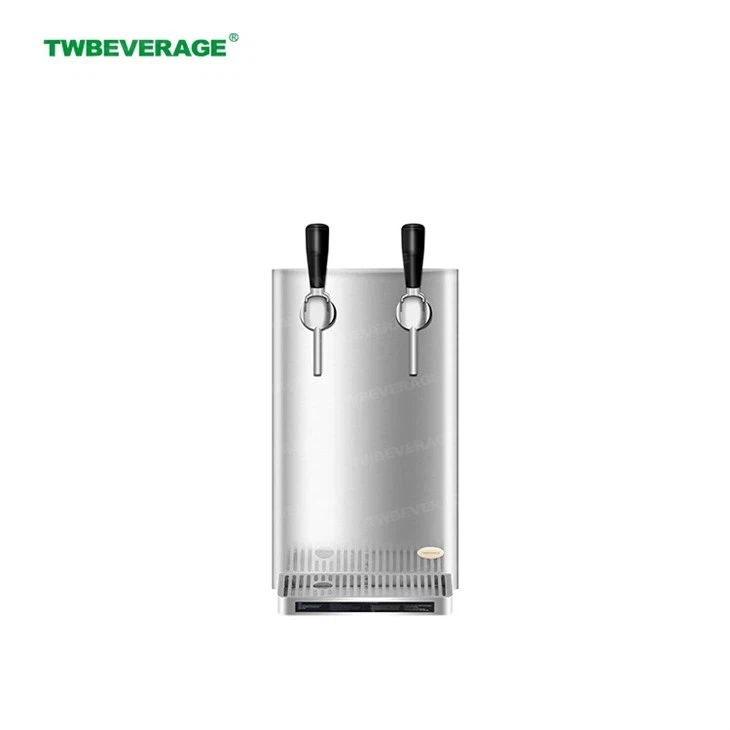
In recent years, cold brew coffee has taken the coffee world by storm, offering a smoother, less acidic alternative to traditional hot brewed coffee. As a leading supplier of cold brew coffee makers, I often receive inquiries about the versatility and functionality of these machines. One question that frequently arises is whether it's possible to use a cold brew coffee maker to make cold brew coffee with a milk alternative. In this blog post, I'll delve into this topic, exploring the science behind cold brewing, the suitability of milk alternatives, and the practical considerations when using a cold brew coffee maker for this purpose.
The Science of Cold Brewing
Before we discuss using milk alternatives in a cold brew coffee maker, it's essential to understand the cold brewing process. Cold brewing involves steeping coffee grounds in cold or room temperature water for an extended period, typically 12 to 24 hours. This slow extraction process results in a coffee concentrate that is less acidic and has a smoother, more mellow flavor compared to hot brewed coffee.
The key to successful cold brewing lies in the extraction of flavor compounds from the coffee grounds. During the steeping process, water molecules gradually penetrate the coffee grounds, dissolving and extracting soluble compounds such as caffeine, oils, and flavor compounds. The slow extraction rate allows for a more selective extraction of these compounds, resulting in a more balanced and nuanced flavor profile.
Milk Alternatives and Cold Brewing
Milk alternatives have become increasingly popular in recent years, driven by factors such as dietary preferences, lactose intolerance, and environmental concerns. Common milk alternatives include almond milk, soy milk, oat milk, coconut milk, and rice milk. Each of these milk alternatives has its own unique flavor, texture, and nutritional profile, which can impact the taste and quality of cold brew coffee.
When using a milk alternative in a cold brew coffee maker, there are several factors to consider:
- Flavor Compatibility: Different milk alternatives have distinct flavors that can complement or clash with the flavor of coffee. For example, almond milk has a nutty flavor that pairs well with coffee, while coconut milk has a tropical flavor that can add a unique twist to cold brew coffee. It's important to choose a milk alternative that complements the flavor profile of the coffee you're using.
- Texture and Consistency: Milk alternatives vary in texture and consistency, which can affect the mouthfeel of cold brew coffee. Some milk alternatives, such as soy milk and oat milk, have a creamy texture that can mimic the richness of dairy milk, while others, such as almond milk and rice milk, are thinner and more watery. Consider the texture and consistency you prefer in your cold brew coffee when choosing a milk alternative.
- Protein Content: Protein is an important nutrient that can affect the stability and frothiness of cold brew coffee. Milk alternatives vary in protein content, with soy milk having the highest protein content among common milk alternatives. Higher protein content can help to create a more stable and frothy layer on top of cold brew coffee, similar to the foam created by dairy milk.
- Sugar Content: Many milk alternatives contain added sugars to enhance their flavor and sweetness. When using a milk alternative in cold brew coffee, it's important to consider the sugar content and choose a milk alternative that fits your dietary preferences and health goals. Some milk alternatives are available in unsweetened varieties, which can be a healthier option for those looking to reduce their sugar intake.
Using a Cold Brew Coffee Maker with a Milk Alternative
Now that we've discussed the science behind cold brewing and the suitability of milk alternatives, let's explore how to use a cold brew coffee maker to make cold brew coffee with a milk alternative.


- Choose the Right Coffee Beans: The quality and flavor of the coffee beans you use will have a significant impact on the taste of your cold brew coffee. Choose high-quality coffee beans that are freshly roasted and have a flavor profile that complements the milk alternative you're using.
- Prepare the Coffee Grounds: Grind the coffee beans to a medium-coarse grind size, similar to the grind size used for French press coffee. This will allow for a proper extraction of flavor compounds during the cold brewing process.
- Add the Milk Alternative: Pour the milk alternative into the cold brew coffee maker, following the manufacturer's instructions for the recommended water-to-coffee ratio. You can use a combination of milk alternative and water to adjust the strength and flavor of the cold brew coffee.
- Steep the Coffee: Place the coffee grounds in the cold brew coffee maker and steep them in the milk alternative for the recommended steeping time, typically 12 to 24 hours. The steeping time may vary depending on the type of coffee beans, the grind size, and the desired strength of the cold brew coffee.
- Strain and Serve: After the steeping time is complete, strain the cold brew coffee through a fine-mesh sieve or cheesecloth to remove the coffee grounds. You can serve the cold brew coffee immediately over ice or store it in the refrigerator for later use.
Practical Considerations
When using a cold brew coffee maker with a milk alternative, there are a few practical considerations to keep in mind:
- Cleaning and Maintenance: Milk alternatives can leave behind residue and bacteria, which can affect the performance and longevity of your cold brew coffee maker. It's important to clean and maintain your cold brew coffee maker regularly to prevent the buildup of residue and bacteria. Follow the manufacturer's instructions for cleaning and maintenance, and use a mild detergent and warm water to clean the components of the cold brew coffee maker.
- Storage and Shelf Life: Cold brew coffee made with a milk alternative has a shorter shelf life compared to cold brew coffee made with water. This is because milk alternatives are more perishable and can spoil more quickly. It's important to store cold brew coffee made with a milk alternative in the refrigerator and consume it within a few days to ensure freshness and quality.
- Experimentation and Customization: Cold brewing is a versatile and customizable process that allows you to experiment with different coffee beans, milk alternatives, and flavor combinations. Don't be afraid to try different milk alternatives and flavorings to find your perfect cold brew coffee recipe.
Conclusion
In conclusion, using a cold brew coffee maker to make cold brew coffee with a milk alternative is not only possible but also a delicious and convenient way to enjoy cold brew coffee. By understanding the science behind cold brewing, choosing the right milk alternative, and following the proper brewing techniques, you can create a delicious and refreshing cold brew coffee that suits your taste preferences and dietary needs.
As a [Your Company Name] cold brew coffee maker supplier, we offer a wide range of high-quality cold brew coffee makers that are designed to make the cold brewing process easy and convenient. Whether you're a home coffee enthusiast or a commercial coffee shop owner, our cold brew coffee makers are the perfect solution for making delicious cold brew coffee with a milk alternative.
If you're interested in learning more about our cold brew coffee makers or have any questions about using a cold brew coffee maker with a milk alternative, please don't hesitate to [Contact Us]. We'd be happy to help you find the perfect cold brew coffee maker for your needs and provide you with expert advice and support.
References
- "Cold Brew Coffee: A Comprehensive Guide to the Art and Science of Cold Brewing." James Hoffman, 2019.
- "The Ultimate Guide to Milk Alternatives." Food & Wine, 2021.
- "How to Make Cold Brew Coffee at Home." The Spruce Eats, 2021.