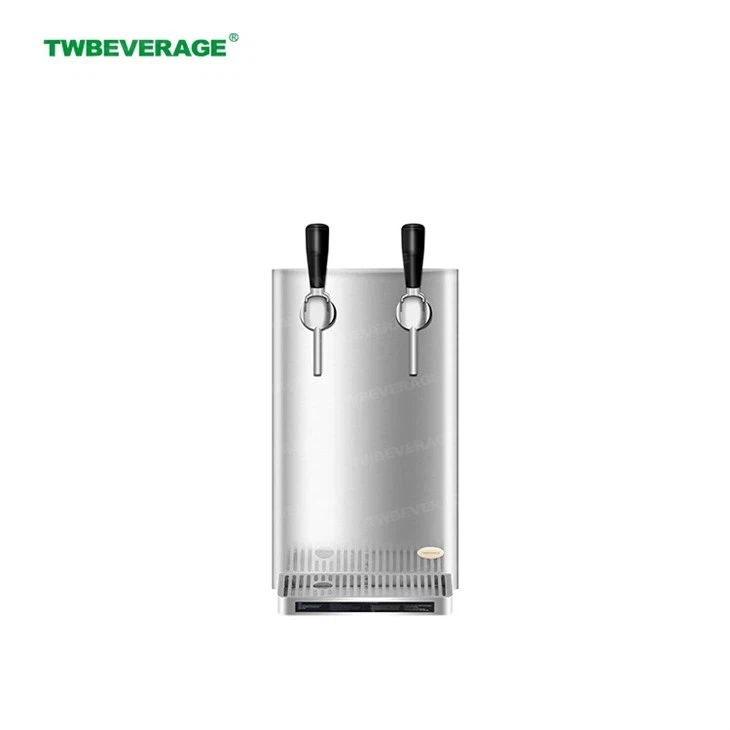
As a dedicated supplier of soda fountain machines, I understand the critical importance of maintaining high hygiene standards. Soda fountain machines are commonly found in various settings, including restaurants, convenience stores, and movie theaters, serving countless customers every day. Ensuring these machines meet strict hygiene criteria is not only a legal requirement but also essential for safeguarding public health and maintaining customer satisfaction. In this blog, I'll delve into the key hygiene standards for soda fountain machines and share best practices for upholding them.
Understanding the Hygiene Risks
Before we explore the specific hygiene standards, it's crucial to understand the potential risks associated with soda fountain machines. These machines are a breeding ground for bacteria, mold, and other pathogens if not properly maintained. The moist environment inside the machine, combined with the presence of sugary syrups and carbonated water, creates an ideal habitat for microbial growth. Additionally, the nozzles and dispensing valves can become clogged with debris, further exacerbating the problem.
If left unchecked, these contaminants can contaminate the beverages dispensed by the machine, leading to a range of health issues for consumers, including gastrointestinal illnesses, respiratory infections, and allergic reactions. Moreover, poor hygiene can also affect the taste and quality of the drinks, resulting in dissatisfied customers and potential loss of business.
Hygiene Standards for Soda Fountain Machines
To mitigate these risks, soda fountain machines must adhere to strict hygiene standards. Here are some of the key areas to focus on:
Regular Cleaning and Sanitization
Regular cleaning and sanitization are the cornerstones of maintaining a hygienic soda fountain machine. The frequency of cleaning depends on the volume of use, but as a general rule, the machine should be thoroughly cleaned at least once a week. This includes disassembling all removable parts, such as nozzles, valves, and drip trays, and soaking them in a solution of hot water and a approved sanitizer. The interior of the machine, including the syrup lines, carbonator, and water lines, should also be cleaned and sanitized using a specialized cleaning solution.
It's important to follow the manufacturer's instructions when cleaning and sanitizing the machine to ensure that all parts are properly cleaned and that the cleaning agents used are safe for food contact. Additionally, all cleaning and sanitizing solutions should be rinsed thoroughly to prevent any residue from contaminating the beverages.
Proper Storage of Syrups and Ingredients
The syrups and other ingredients used in soda fountain machines should be stored properly to prevent contamination. Syrup containers should be tightly sealed and stored in a cool, dry place away from direct sunlight. They should also be checked regularly for signs of spoilage, such as mold or off odors, and discarded if necessary.
When handling syrups and ingredients, it's important to use clean utensils and to avoid cross-contamination. For example, the same utensil should not be used to scoop different flavors of syrup, and hands should be washed thoroughly before handling the ingredients.
Monitoring and Maintenance of Water Quality
The quality of the water used in soda fountain machines is another critical factor in maintaining hygiene. The water should be free from contaminants, such as bacteria, viruses, and chemicals, and should meet the standards set by local health authorities.
To ensure the quality of the water, a water filtration system should be installed on the machine. The filter should be replaced regularly according to the manufacturer's instructions to ensure that it continues to function effectively. Additionally, the water lines should be flushed regularly to prevent the buildup of sediment and other contaminants.
Staff Training and Education
Proper staff training and education are essential for ensuring that soda fountain machines are maintained to the highest hygiene standards. All employees who handle the machine should receive comprehensive training on how to clean, sanitize, and maintain it properly. They should also be educated on the importance of hygiene and the potential health risks associated with poor hygiene practices.
In addition to initial training, regular refresher courses should be provided to keep employees up-to-date on the latest hygiene standards and best practices. This will help to ensure that all employees are aware of their responsibilities and are able to perform their tasks safely and effectively.
Best Practices for Maintaining Hygiene
In addition to adhering to the hygiene standards outlined above, there are several best practices that can help to ensure the ongoing cleanliness and hygiene of soda fountain machines:
Keep the Machine Surroundings Clean
The area around the soda fountain machine should be kept clean and free from clutter. This includes wiping down the exterior of the machine regularly to remove any spills or debris, and keeping the floor around the machine clean and dry. Additionally, any storage areas for syrups and other ingredients should be kept organized and free from dust and dirt.

Use Single-Use Items
Whenever possible, single-use items should be used in the soda fountain machine to minimize the risk of cross-contamination. This includes using disposable cups, straws, and lids, and replacing them after each use. Additionally, single-use syringes or other dispensing devices can be used to measure and dispense syrups and other ingredients.
Conduct Regular Inspections
Regular inspections of the soda fountain machine should be conducted to identify any potential hygiene issues. This includes checking for signs of wear and tear, such as cracks or leaks in the machine, and ensuring that all parts are functioning properly. Any issues that are identified should be addressed immediately to prevent them from becoming major problems.
Keep Records
Keeping detailed records of all cleaning, sanitization, and maintenance activities is essential for demonstrating compliance with hygiene standards. This includes recording the date and time of each cleaning, the type of cleaning solution used, and the results of any inspections or tests. These records can also be used to identify any trends or patterns in hygiene issues and to develop strategies for improving hygiene practices.
Conclusion
Maintaining high hygiene standards for soda fountain machines is essential for protecting public health and ensuring customer satisfaction. By following the hygiene standards and best practices outlined in this blog, you can help to ensure that your soda fountain machine is clean, safe, and operating at its best.
If you're in the market for a new soda fountain machine, we offer a range of high-quality options to suit your needs. Check out our 4 Flavor Fountain Soda Machine, Soda Machine 6 Flavor, and Multi Flavor Soda Machine for more information.
If you have any questions or would like to discuss your specific requirements, please don't hesitate to contact us. We're here to help you find the perfect soda fountain machine for your business and to ensure that it meets the highest hygiene standards.

References
- Centers for Disease Control and Prevention (CDC). (2023). Food Safety. Retrieved from https://www.cdc.gov/foodsafety/index.html
- Food and Drug Administration (FDA). (2023). Food Code. Retrieved from https://www.fda.gov/food/food-code/food-code
- National Sanitation Foundation (NSF). (2023). Standards for Food Equipment. Retrieved from https://www.nsf.org/standards/by-number/