What is the flow rate of a draft beer machine?
As a supplier of draft beer machines, I've received numerous inquiries regarding the flow rate of these machines. Understanding the flow rate is crucial for both bar owners and home enthusiasts who want to serve the perfect pint of draft beer consistently. In this blog post, I'll delve into what the flow rate of a draft beer machine is, the factors that influence it, and how it impacts your beer - serving experience.
Defining the Flow Rate of a Draft Beer Machine
The flow rate of a draft beer machine refers to the volume of beer that can be dispensed from the machine within a specific period, typically measured in ounces per second or liters per minute. It determines how quickly you can fill a glass with beer. For example, if a draft beer machine has a flow rate of 1 ounce per second, it will take approximately 12 seconds to fill a 12 - ounce glass.
A proper flow rate is essential for several reasons. First, it affects the quality of the beer. If the flow rate is too fast, the beer can become overly carbonated, resulting in excessive foam and a less - than - ideal drinking experience. On the other hand, if the flow rate is too slow, it can be frustrating for customers, especially during peak hours in a bar or pub.
Factors Affecting the Flow Rate
There are several factors that can influence the flow rate of a draft beer machine.
1. Pressure
The pressure applied to the keg is one of the most significant factors. Most draft beer systems use carbon dioxide (CO₂) to push the beer from the keg to the tap. Higher pressure generally results in a faster flow rate. However, if the pressure is too high, it can cause the beer to foam excessively. The ideal pressure for most draft beer systems is between 10 - 14 pounds per square inch (psi), but this can vary depending on the type of beer and the length of the beer lines.
2. Beer Line Length and Diameter
The length and diameter of the beer lines also play a crucial role. Longer beer lines create more resistance, which can slow down the flow rate. Similarly, a smaller - diameter beer line will also restrict the flow of beer. For example, a 3/16 - inch beer line will have a slower flow rate compared to a 1/4 - inch beer line. When installing a draft beer system, it's important to choose the appropriate line length and diameter based on the distance between the keg and the tap and the desired flow rate.
3. Temperature
The temperature of the beer can affect its viscosity, which in turn impacts the flow rate. Colder beer is more viscous, meaning it flows more slowly. Most draft beer machines are designed to keep the beer at a temperature between 36 - 38°F (2 - 3°C). Maintaining the proper temperature is essential not only for the flow rate but also for the taste and quality of the beer.
4. Tap Design
The design of the tap can also influence the flow rate. Some taps are designed to provide a smooth, consistent flow, while others may have a more restrictive design. For example, a tap with a smaller orifice will have a slower flow rate compared to a tap with a larger orifice. Additionally, the type of tap, such as a single - tap or multi - tap dispenser, can also affect the flow rate.
Different Types of Draft Beer Machines and Their Flow Rates
As a supplier, we offer a variety of draft beer machines, each with its own typical flow rate characteristics.
Table Top Draft Beer Dispenser
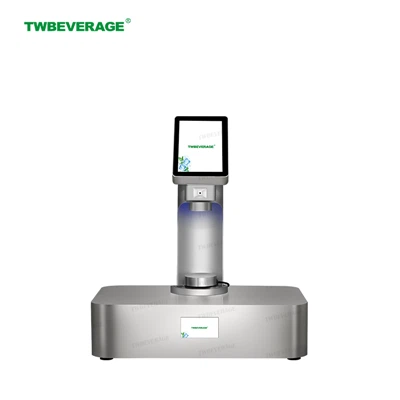
Our Table Top Draft Beer Dispenser is a popular choice for home use and small bars. These machines are compact and easy to install. They typically have a flow rate that can range from 0.5 to 1.5 ounces per second, depending on the factors mentioned above. The relatively slower flow rate is suitable for smaller glasses and a more controlled pouring experience.
Multi Tap Kegerator
The Multi Tap Kegerator is designed for larger establishments that need to serve multiple types of beer simultaneously. These machines can have a higher flow rate, often ranging from 1 to 2 ounces per second. The ability to serve multiple beers at a relatively fast pace makes them ideal for busy bars and restaurants.
Single Draft Beer Dispenser
Our Single Draft Beer Dispenser is a simple and cost - effective option for those who only need to serve one type of beer. The flow rate of a single draft beer dispenser can vary, but it generally falls in the range of 0.8 to 1.8 ounces per second. This flow rate provides a good balance between speed and quality for most applications.
Importance of the Right Flow Rate in Business
For bar owners and restaurant managers, having the right flow rate on their draft beer machines is crucial for business success. A proper flow rate ensures that customers receive their beers quickly, which can lead to higher customer satisfaction and increased sales. During busy hours, a slow - flowing draft beer machine can cause long wait times, leading to frustrated customers and potentially lost business.
On the other hand, an overly fast flow rate can result in excessive foam, which means that customers are getting less beer in their glasses. This can lead to complaints and a negative perception of the establishment. By maintaining the right flow rate, businesses can ensure that they are serving high - quality beer and providing a positive customer experience.
Adjusting the Flow Rate
If you find that the flow rate of your draft beer machine is not ideal, there are several ways to adjust it.
1. Pressure Adjustment
The first step is to check and adjust the CO₂ pressure. Most draft beer systems have a pressure regulator that allows you to increase or decrease the pressure. Start by making small adjustments and then test the flow rate by pouring a glass of beer. If the flow rate is too slow, increase the pressure slightly; if it's too fast, decrease the pressure.
2. Beer Line Adjustment
You can also adjust the flow rate by changing the length or diameter of the beer lines. If the flow rate is too slow, you may consider using a shorter or larger - diameter beer line. However, this may require some technical knowledge and should be done carefully to avoid any issues with the system.


3. Tap Cleaning
A dirty tap can also affect the flow rate. Over time, beer residue can build up inside the tap, restricting the flow of beer. Regularly cleaning the tap can help maintain a consistent flow rate.
Conclusion
In conclusion, the flow rate of a draft beer machine is a critical factor that affects the quality of the beer and the customer experience. As a supplier, we understand the importance of providing draft beer machines with the right flow rate for different applications. Whether you're a home enthusiast looking for a table - top dispenser or a bar owner in need of a multi - tap kegerator, we have the right solution for you.
If you're interested in purchasing a draft beer machine or have any questions about flow rates and our products, we encourage you to reach out to us for a consultation. We're here to help you find the perfect draft beer machine that meets your needs and ensures that you can serve the perfect pint every time.
References
- American Society of Brewing Chemists. (2023). Handbook of Brewing.
- Siebert, K. J. (2019). Beer: Quality, Safety and Nutritional Aspects.