


The weight of a typical commercial juice dispenser can vary significantly based on several factors, including its size, material, and additional features. As a commercial juice dispenser supplier, I've had the opportunity to work with a wide range of models, and I'll share some insights into what influences the weight of these machines.
Factors Affecting the Weight of Commercial Juice Dispensers
Size and Capacity
One of the most significant factors influencing the weight of a commercial juice dispenser is its size and capacity. Larger dispensers with greater holding capacities naturally weigh more than smaller ones. For instance, a countertop juice dispenser designed for a small café might have a capacity of around 5 - 10 liters and weigh anywhere from 5 to 15 kilograms. On the other hand, a large - scale floor - standing dispenser used in a busy restaurant or an event venue could have a capacity of 20 - 50 liters and weigh between 20 and 50 kilograms or even more.
The reason for this weight difference is straightforward. The container that holds the juice needs to be larger and more robust to accommodate a greater volume of liquid. Additionally, the structural components, such as the frame and support mechanisms, also need to be stronger to support the increased weight of the filled dispenser.
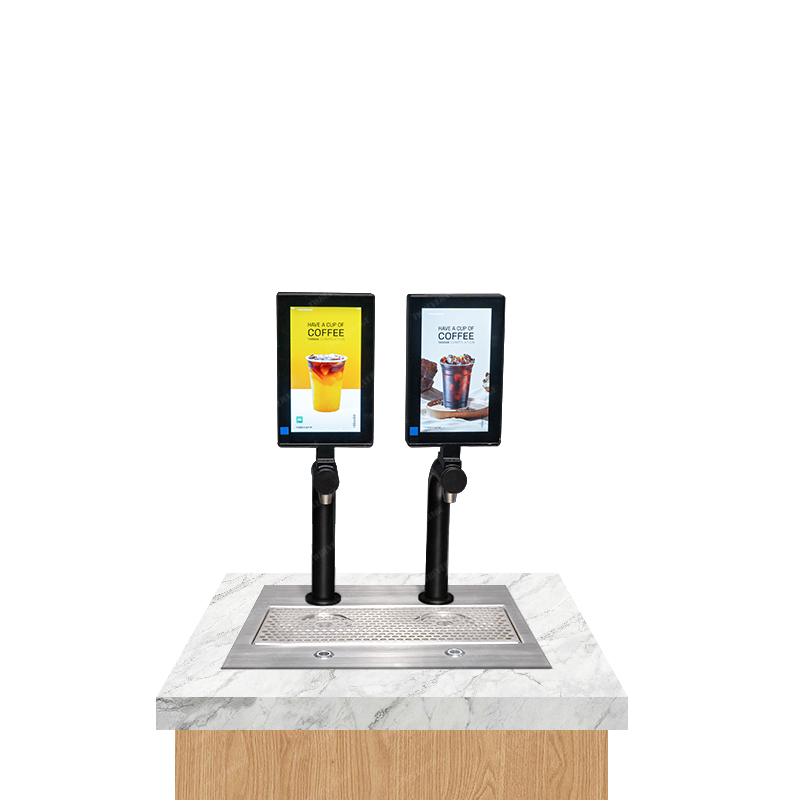

Material
The material used in the construction of the juice dispenser also plays a crucial role in determining its weight. Common materials include plastic, stainless steel, and a combination of both.
Plastic dispensers are generally the lightest. They are often used in settings where portability is a key requirement, such as outdoor events or small kiosks. A plastic juice dispenser with a medium - sized capacity might weigh around 3 - 8 kilograms. Plastic is lightweight, cost - effective, and relatively easy to clean. However, it may not be as durable as other materials and may not be suitable for high - traffic commercial environments.
Stainless steel, on the other hand, is a popular choice for commercial juice dispensers due to its durability, hygiene, and aesthetic appeal. Stainless steel dispensers are heavier than plastic ones. A food - grade stainless steel dispenser can weigh significantly more, especially if it has a thick gauge of steel. For example, a Food - grade stainless steel L - shaped liberty beverage dispenser might weigh between 10 and 30 kilograms, depending on its size and design. The added weight comes from the density of the stainless steel material, which provides strength and resistance to corrosion.
Additional Features
Commercial juice dispensers can come with a variety of additional features that can add to their weight. For example, some dispensers are equipped with refrigeration units to keep the juice cold. These refrigerated dispensers are much heavier than non - refrigerated ones. The refrigeration components, including the compressor, condenser, and evaporator, add a significant amount of weight. A refrigerated juice dispenser might weigh 20 - 50 kilograms more than a non - refrigerated model of the same size.
Other features such as built - in pumps, filtration systems, or multiple dispensing nozzles can also contribute to the overall weight. These components require additional structural support and add to the complexity of the dispenser, resulting in an increase in weight.
Typical Weight Ranges for Different Types of Commercial Juice Dispensers
Countertop Juice Dispensers
Countertop juice dispensers are designed to be placed on a counter or tabletop. They are commonly used in small cafes, juice bars, or convenience stores. These dispensers typically have a capacity of 5 - 15 liters.
- Plastic Countertop Dispensers: These are the lightest, usually weighing between 3 and 8 kilograms. They are easy to move around and are suitable for low - volume operations.
- Stainless Steel Countertop Dispensers: They are more durable and hygienic. A stainless steel countertop juice dispenser might weigh between 8 and 15 kilograms, depending on the thickness of the steel and any additional features.
Floor - Standing Juice Dispensers
Floor - standing juice dispensers are larger and are used in high - volume settings such as restaurants, banquet halls, or large - scale events. They can have a capacity of 20 - 50 liters or more.
- Non - Refrigerated Floor - Standing Dispensers: These dispensers, made of stainless steel or a combination of materials, typically weigh between 20 and 35 kilograms.
- Refrigerated Floor - Standing Dispensers: With the added weight of the refrigeration unit, these dispensers can weigh between 40 and 70 kilograms or more.
Specialized Juice Dispensers
Some commercial juice dispensers are designed for specific applications, such as juice and coffee bar setups or Cold Drink Juice Machine. These machines may have unique features and designs that can affect their weight. For example, a dispenser with multiple compartments for different types of juices or a built - in mixing mechanism will be heavier than a standard single - compartment dispenser.
Importance of Knowing the Weight
Understanding the weight of a commercial juice dispenser is important for several reasons. Firstly, it affects the installation process. A heavier dispenser may require a more sturdy surface or additional support to ensure it is stable and safe. For example, a floor - standing refrigerated dispenser needs to be placed on a level floor that can support its weight.
Secondly, weight is a factor in transportation. If you need to move the dispenser from one location to another, a lighter model will be much easier to handle. This is especially important for businesses that participate in outdoor events or need to relocate their equipment regularly.
Finally, the weight can also impact the cost. Heavier dispensers may require more materials and energy to operate, which can increase the overall cost of ownership.
Conclusion
In conclusion, the weight of a typical commercial juice dispenser can vary widely depending on its size, material, and additional features. As a commercial juice dispenser supplier, I understand the importance of providing accurate information about the weight of our products to our customers. Whether you are setting up a small juice and coffee bar or a large - scale event venue, choosing the right dispenser with the appropriate weight is crucial for a successful operation.
If you are interested in purchasing a commercial juice dispenser and have questions about the weight, capacity, or any other features, I encourage you to reach out to us for a detailed consultation. We can help you select the best dispenser for your specific needs and ensure a smooth procurement process.
References
- Industry standards for commercial beverage dispensers
- Manufacturer specifications of various commercial juice dispensers


